
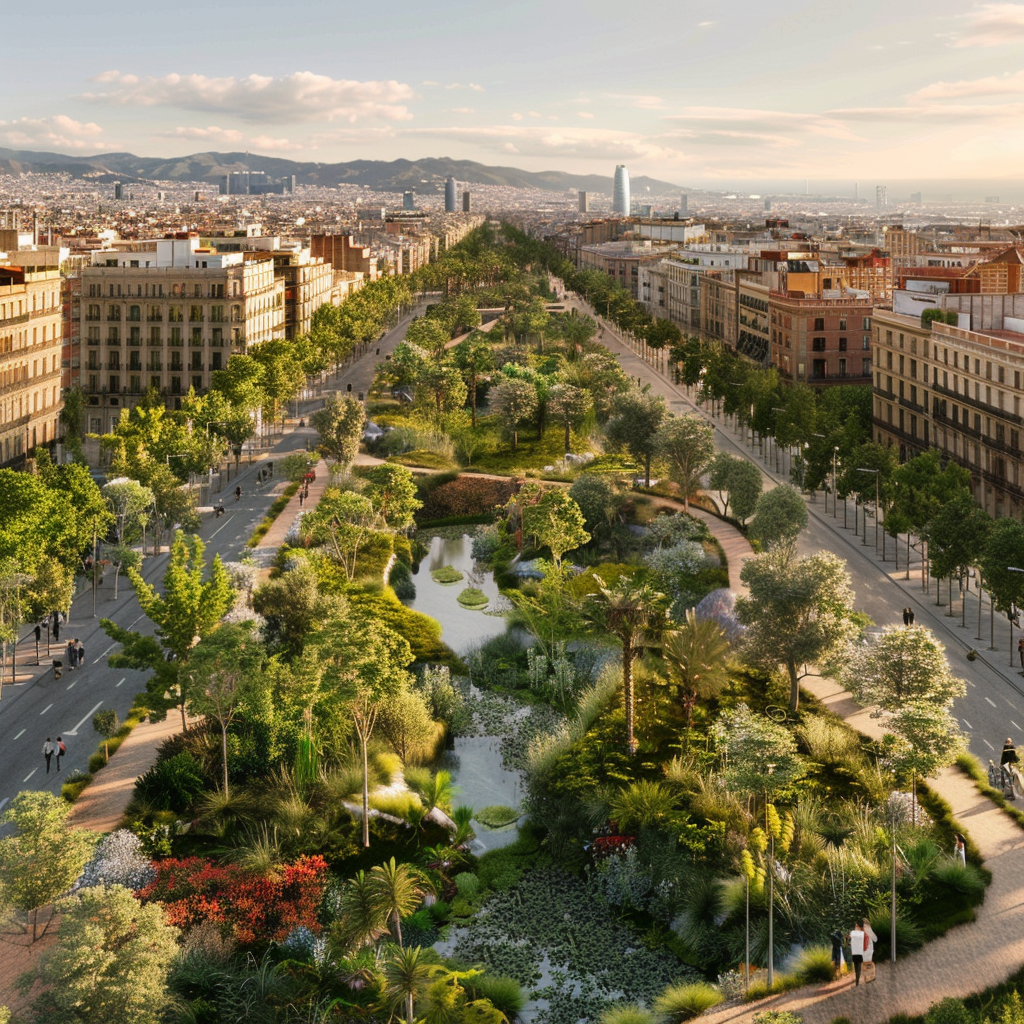
Imagine a city that breathes easy. Traffic flows smoothly, buildings hum with renewable energy, and green spaces weave throughout the urban landscape. This isn’t a utopian fantasy; it’s the future of sustainable cities, and Artificial Intelligence (AI) is playing a key role in making it a reality.
How is AI transforming urban planning?
- Optimizing Green Infrastructure: AI can analyze data on weather patterns, sunlight exposure, and citizen needs to strategically place parks, green roofs, and urban forests. These green spaces not only beautify cities but also combat pollution, reduce heat island effects, and improve public health.
- Smarter Energy Management: AI can monitor energy use in real-time, allowing cities to integrate and optimize renewable energy sources like solar and wind power. This reduces reliance on fossil fuels and creates a more sustainable energy grid.
- Traffic Flow Revolution: AI can analyze traffic patterns and predict congestion hotspots. This data can be used to optimize traffic lights, implement congestion pricing, and develop efficient public transportation systems, leading to reduced emissions and cleaner air.
- Building for the Future: AI can be used to model different urban design scenarios, allowing planners to test the environmental impact of new developments before they’re built. This ensures cities are designed with sustainability in mind from the ground up.
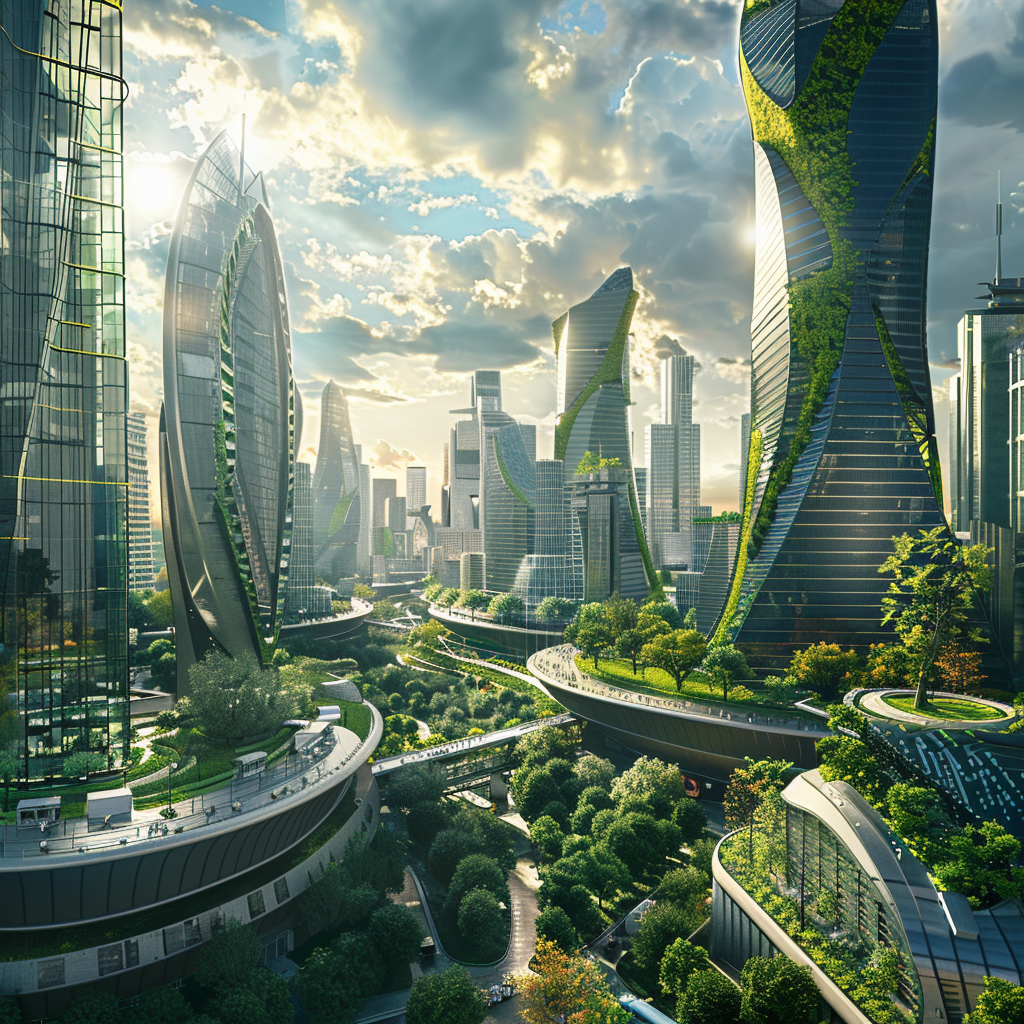
AI is a powerful tool, but it’s not a silver bullet. Successful implementation requires collaboration between AI experts, urban planners, and the public. However, the potential for AI to create greener, healthier, and more livable cities is undeniable.
What do you think? How can AI be harnessed to create a more sustainable future for our cities? Share your thoughts in the comments! #greenercities #aipoweredfuture







 Chic Tips for AI
Leave a comment