
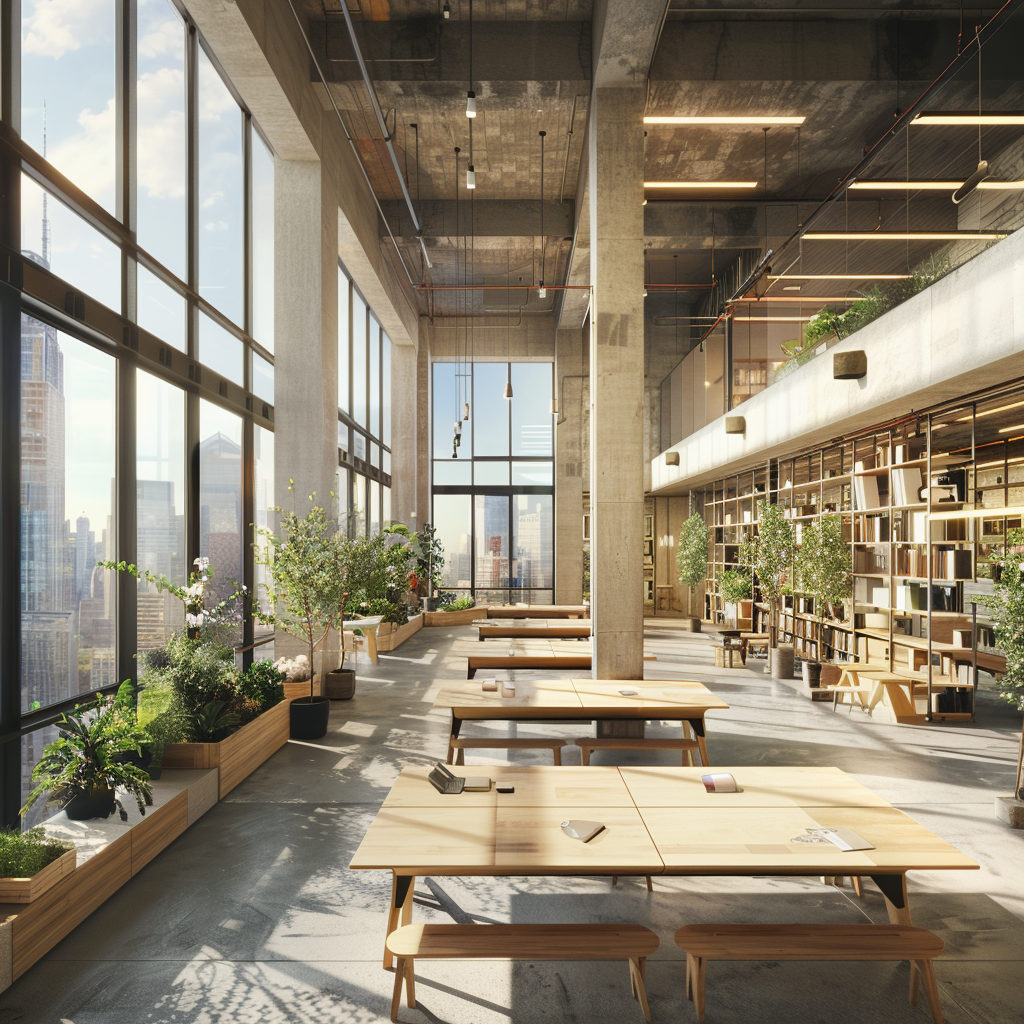
The educational landscape is constantly adapting, and design and art schools are at the forefront of this change. Fueled by technological advancements and a rapidly evolving creative landscape, these institutions are reimagining the way we learn to create. Let’s peek into the future of design and art schools:
The Rise of the Hybrid Experience:
- Blended Learning: Gone are the days of purely classroom-based learning. Online modules, interactive tutorials, and virtual reality simulations will become commonplace, allowing for personalized learning and location-independent education.
- AI as a Co-Teacher: Imagine AI assistants that offer personalized feedback on your work, suggest relevant resources, or even generate design variations based on your ideas.
- The Global Classroom: Virtual reality and augmented reality tools can break down geographical barriers, allowing students to collaborate with peers and instructors across the globe.
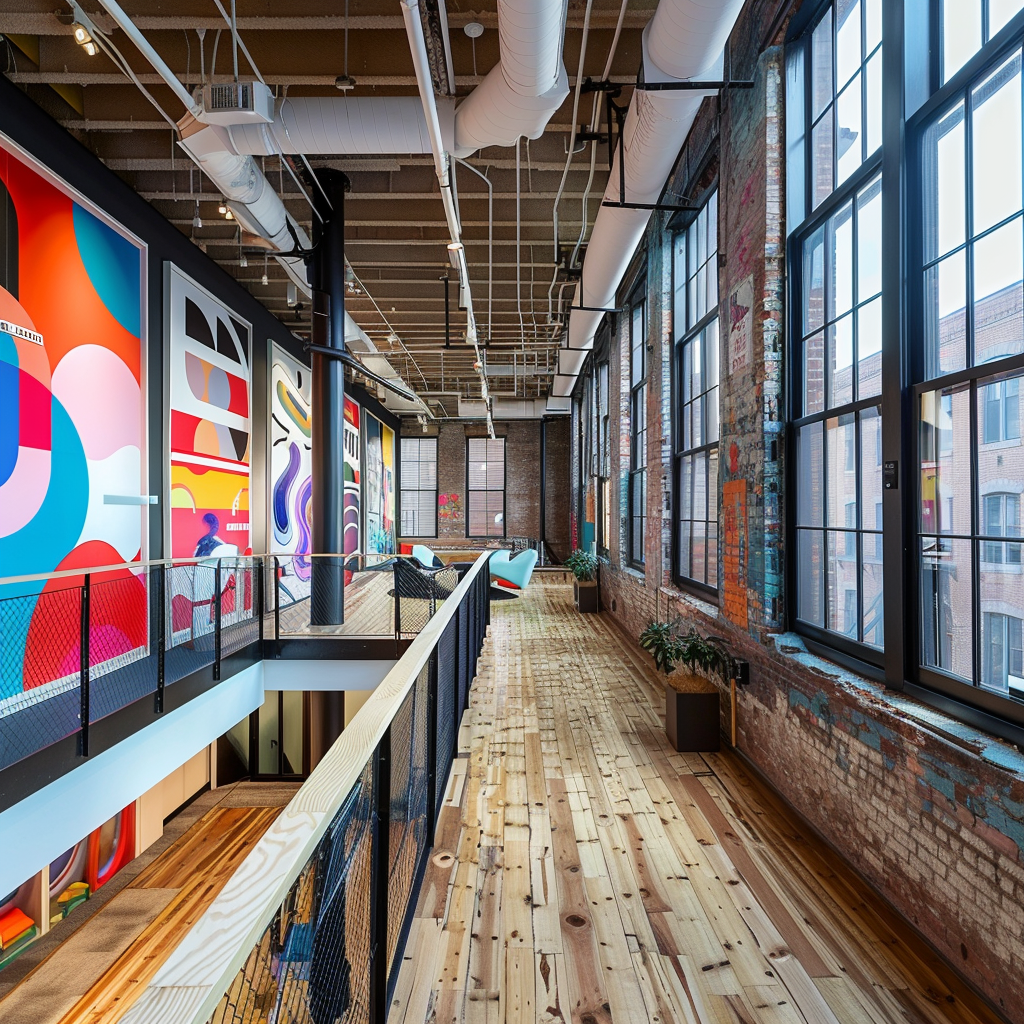
New Skills for a New World:
- Coding for Creatives: The lines between art and technology are blurring. Understanding coding basics, data visualization, and AI-powered design tools will be crucial for future creatives.
- Design Thinking for Everyone: The ability to solve problems creatively and design user-centric solutions will be valuable across all disciplines, not just traditional design fields.
- Sustainability as a Core Value: Schools will prioritize sustainable practices and teach students how to create products and experiences with a minimal environmental footprint.
A Focus on Flexibility and Adaptability:
- Lifelong Learning: The curriculum will emphasize lifelong learning skills, equipping students to adapt their skillsets and stay relevant in a rapidly changing creative landscape.
- Microcredentials and Certifications: Alongside traditional degrees, schools will offer shorter courses and certifications focused on specific design and technology skills.
- Focus on the Future of Work: Curriculums will evolve to address the changing needs of the creative industries and prepare students for job opportunities that might not even exist yet.
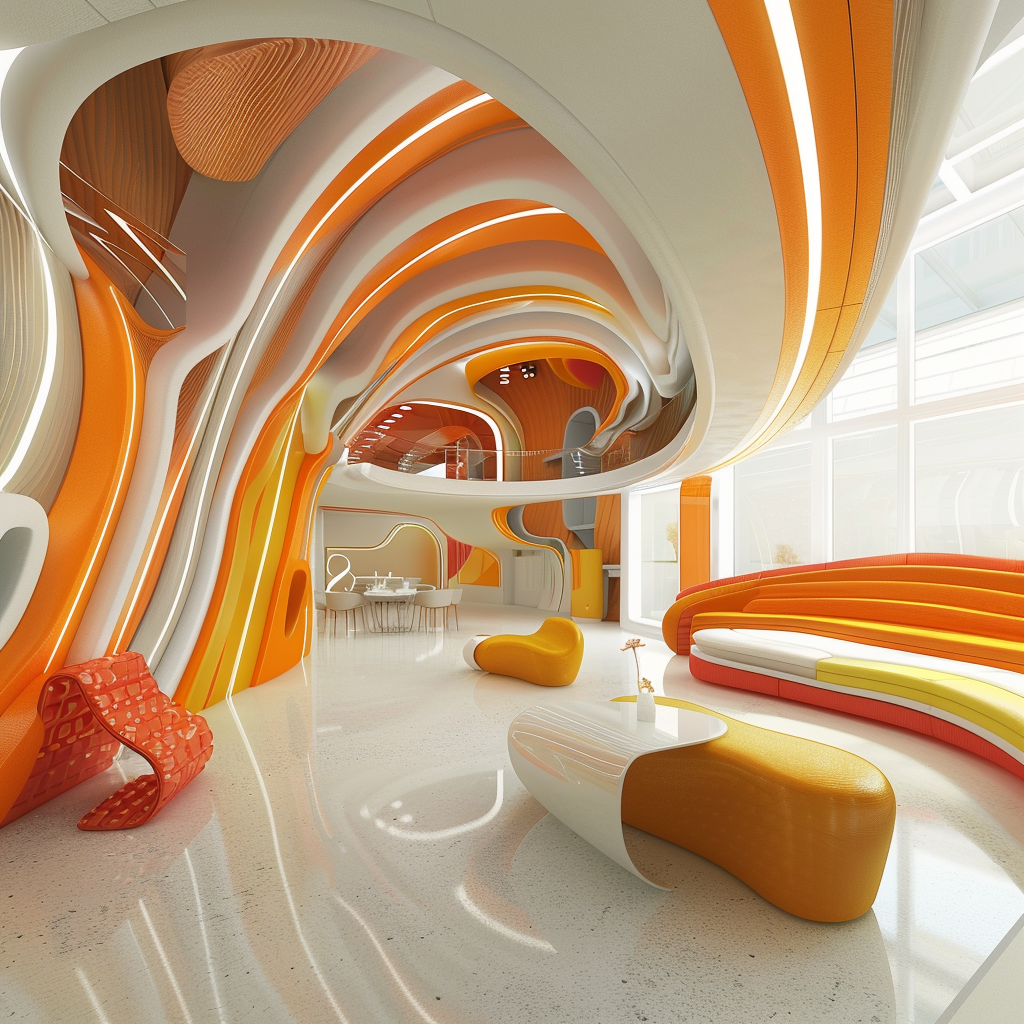
The Human Touch Endures:
- Mentorship and Community: While technology plays a larger role, the importance of human interaction remains. Schools will continue to foster a strong sense of community and provide opportunities for mentorship from experienced professionals.
- Critical Thinking and Creativity: While AI can be a powerful tool, it cannot replace the human ability to think critically, solve problems creatively, and develop a unique artistic voice.
The Future is Bright:
The future of design and art education holds immense promise. With the integration of technology, a focus on in-demand skills, and a commitment to lifelong learning, these schools will continue to empower future generations to create, innovate, and leave their mark on the world.
What are your thoughts on the future of design and art education? Share your ideas in the comments! #FutureOfArtSchools #DesignEducationReimagined #LearningWithoutLimits






 Chic Tips for AI
Leave a comment